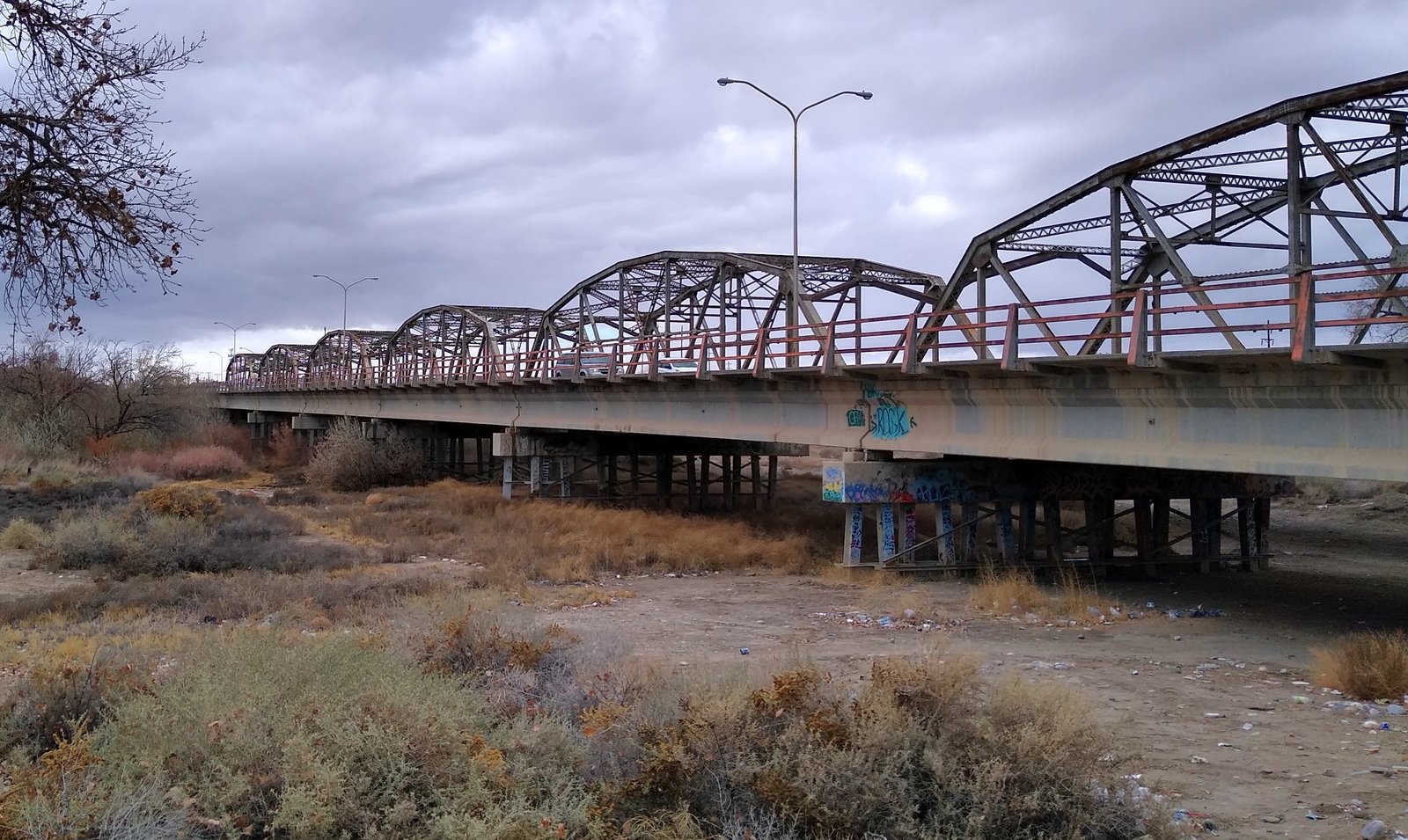
The Thousand Islands Bridge crossing between Ontario and New York. Photo: Tony Webster from Minneapolis, Minnesota, United States / Wikimedia Commons, CC BY 2.0.
EXPLAINER: This article summarizes official guidance and community advisories. It is not legal advice.
For more than two centuries, Indigenous people have asserted the right to cross the Canada-U.S. border freely, a right rooted in the 1794 Jay Treaty and recognized in U.S. immigration law. This year, that right has come under new strain.
What changed
In February, Indigenous Services Canada updated its travel advice for the United States, The Canadian Press reported. Before the change, the government’s website said First Nations people could “freely” enter the U.S. for employment, study, retirement, investing or immigration. It now says they “may” be able to cross by land or water with a Secure Certificate of Indian Status.
Acceptance of all status cards is “entirely at the discretion of U.S. officials,” the guidance says. Status cards are not accepted travel documents for air travel.
“While you may have previously crossed the Canada-U.S. border with only a secure status card, [Indigenous Services Canada] now strongly recommends also carrying a valid passport when travelling outside of Canada,” the guidance states.
People registered under the Indian Act who enter the U.S. to live or work may also be asked to provide documentation to “prove the percentage of Indian blood required under U.S. law.” U.S. law requires at least 50% “American Indian blood” to qualify for the Jay Treaty exemption, a blood-quantum standard that many First Nations have long criticized.
Why governments are warning their citizens
The Assembly of First Nations warned First Nations people to be cautious about crossing into the U.S. in response to immigration enforcement raids and the detention of some Indigenous people. AFN National Chief Cindy Woodhouse Nepinak confirmed that at least one First Nations person had a negative encounter with U.S. Immigration and Customs Enforcement and has since returned to Canada.
Indigenous Services Canada said some people had reported the confiscation or damage of status cards in the U.S., and that it can issue emergency status cards and expedite affected requests.
Mississauga First Nation warned its members against crossing the border, citing ICE’s detention of Indigenous people. Three Oglala Sioux Tribe members were detained by ICE agents at a homeless encampment in Minnesota earlier this year. Six Nations of the Grand River and Garden River First Nation have issued similar warnings.
What to carry
Based on the published guidance and advisories:
- First Nations people from Canada: a valid passport, plus a valid machine-readable secure status card. All new and renewed secure status cards have been issued with a machine-readable field since February 2019.
- The Jay Treaty Alliance, which represents tribal governments and First Nations communities on both sides of the border, encourages First Nations travelers to carry a familial lineage letter, status card, long-form birth certificate and government-issued photo ID.
- U.S. tribal citizens are encouraged to carry tribal IDs, state-issued IDs or driver’s licenses, or a U.S. passport.
The bigger picture
For nations such as the Haudenosaunee, Anishinaabe and Blackfoot, whose territories were divided by the border, the right to cross is not a travel convenience. It is an expression of nationhood that predates both Canada and the United States. Advice to carry a passport issued by a settler state, however practical, underscores how much that right now depends on the discretion of border officers.
Source: CBC News / The Canadian Press.