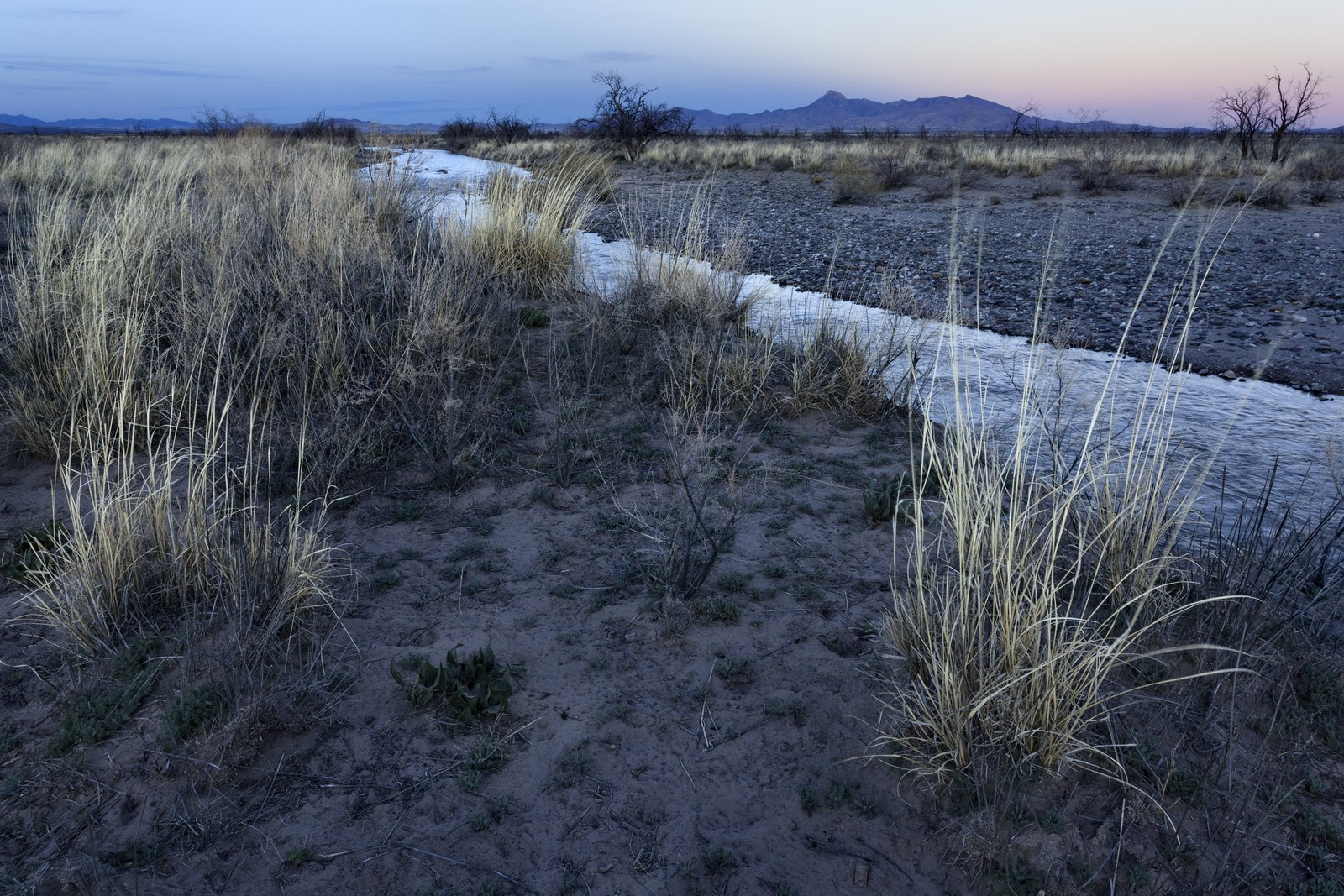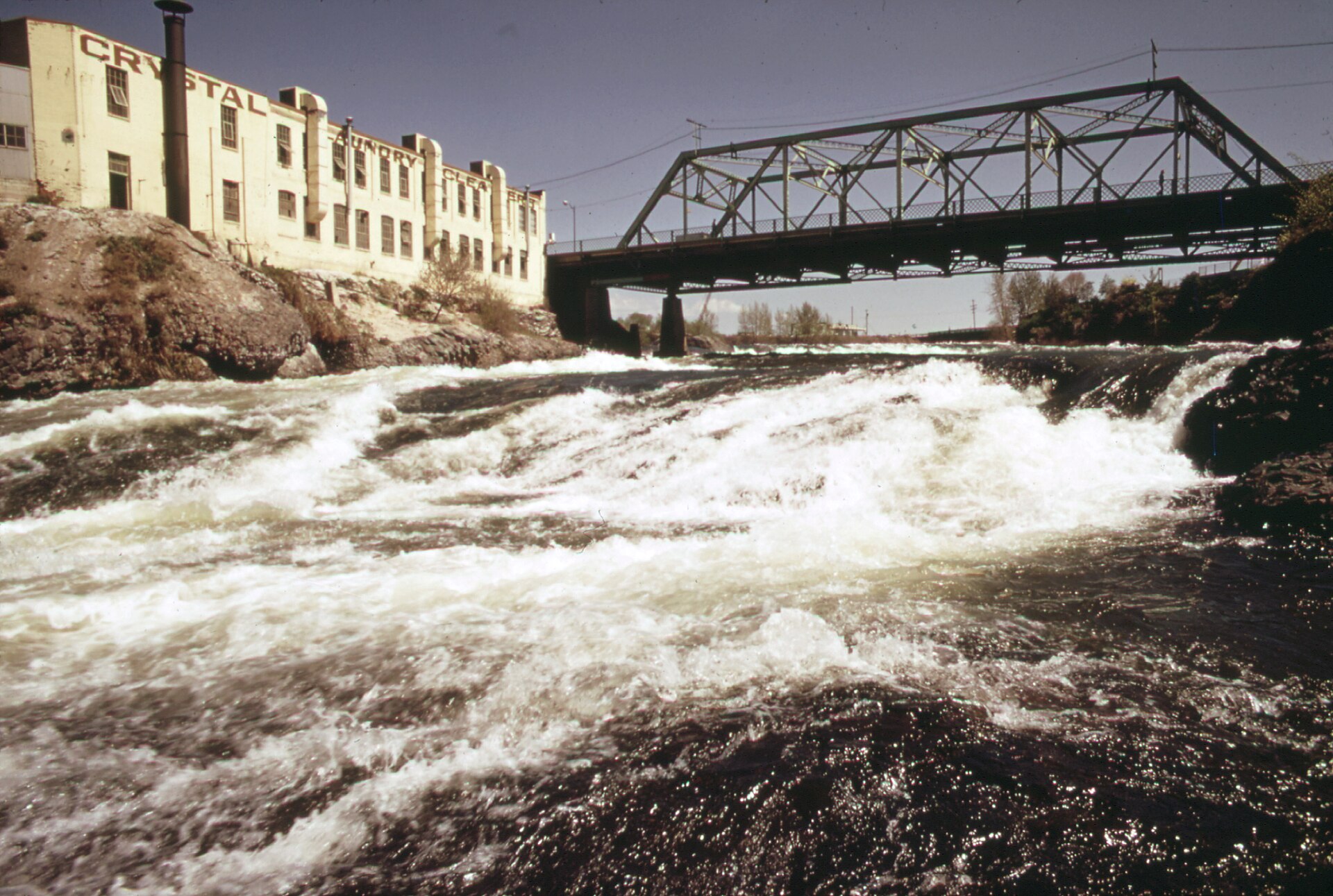
The Spokane River and falls in downtown Spokane, Washington (archival photo). Photo: David Falconer / Wikimedia Commons, Public domain.
LaRae Wiley did not hear her language until she was in her 30s.
Her grandmother and great-grandmother spoke it fluently, but the language was not passed on. Wiley’s grandmother had attended a federal boarding school, where Native children were punished for speaking their languages, Native News Online reported.
“I didn’t grow up learning my language,” Wiley said. “I never heard it until I was probably in my 30s.”
Today Wiley, an Elder-Linguist, and Chris Parkin, the principal and co-founder of the Salish School of Spokane, are building a new campus for a school that teaches Southern Interior Salish languages through full immersion.
From a basement to a campus
The school began with four children in a basement. It has grown into a year-round immersion school serving students from infancy through eighth grade, along with dozens of adult learners. Parents are required to learn alongside their children, because the school’s leaders believe language revitalization happens at home, not only in the classroom.
“Our ultimate goal is to recreate a language culture community,” Parkin said. “Kids are raised in the language as their first language again.”
The need is urgent. According to Parkin, the four Southern Interior Salish languages are among the most endangered in North America. Some have no remaining first-language speakers; others have only a handful of fluent elders, most in their 70s, 80s or 90s.
There are signs of change. Wiley said one family now speaks Colville Salish exclusively to their young daughter, making her the first child in roughly 90 years to grow up with Salish as her first language.
A school day in Salish
Students begin each day with songs and gratitude, learn traditional dances and drumming, work with horses, harvest traditional foods and spend time caring for the Spokane River, all in Salish.
“The language is a healer,” Parkin said. “It can remind people of who they are. It can connect people to where they come from.”
He said culture lives in daily practice, not just in ceremony. “It’s the daily commitment to speaking the language, relating to each other through the language, being present in our songs, and in our way of relating to each other,” Parkin said. “That actually is the greatest enactment of culture you could possibly do.”
The new campus will include classrooms, a gymnasium and community gathering space. The school has raised most of the funding through private donors and nonprofit partners and is working to secure the rest.
Language as nation building
Federal boarding school and language-suppression policies broke the transmission of Indigenous languages from parents to children for generations. Immersion schools like this one are among the most direct ways Indigenous communities are reversing that damage, rebuilding the foundation that culture, law and governance rest on.
For Wiley, success is measured in grandchildren speaking a language that nearly disappeared from her family.
“When I learned the language,” she said, “I felt whole.”
Source: Native News Online.